
The Feeling You’re Actually Decorating For
There’s a particular kind of Sunday afternoon that people spend the whole week quietly looking forward to. Not a dinner party with pressed napkins and a seating chart. Not a holiday gathering with its freight of obligation. Just a roast a slow-cooked, good-smelling, everyone-pile-in kind of afternoon where the wine gets opened before the potatoes are done and somebody ends up sitting on the kitchen counter because the conversation got too good to leave.
That’s the feeling worth designing for. Not elegance. Not impressiveness. Something closer to ease.
The mistake most hosts make is treating “casual” as the absence of effort, when really it’s a specific aesthetic goal that requires just as much thought maybe more than a formal setup. Formal tablescapes follow rules. Casual ones have to feel genuinely uncontrived, which is actually harder to pull off than it sounds. The moment a relaxed table starts to look like it’s trying to look relaxed, the whole thing collapses.
So the question isn’t how little to do. It’s how to do things in a way that disappears into the warmth of the room.
Start With the Table Itself
Before you add a single candle or a sprig of rosemary, look at the table. A Sunday roast almost always benefits from a bare or lightly dressed surface rather than a full tablecloth. A tablecloth signals occasion. It says: this is a production. What you want instead is texture a linen runner down the center, slightly rumpled, maybe in oatmeal or a faded terracotta. Or nothing at all, if the table itself has good bones. Worn wood, especially, does a lot of the atmospheric work on its own.
If your table is less than beautiful, a runner is your best friend. It doesn’t need to be ironed. It genuinely should not be ironed. The slight wrinkle is part of the point.
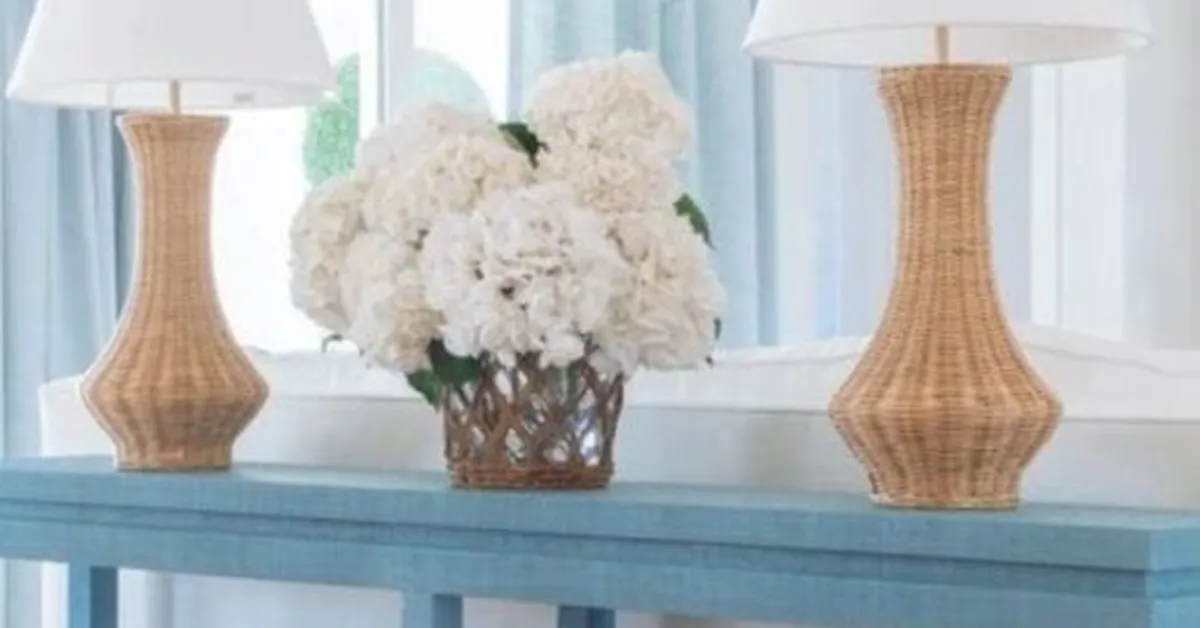
Placemats instead of a full cloth keep things grounded and practical. Woven ones seagrass, jute, rattan read as relaxed without trying. They also happen to be incredibly forgiving when somebody inevitably sets a wet glass down in the wrong spot, which at a Sunday roast, someone always does.
Centerpieces That Don’t Demand Attention
The centerpiece of a casual roast table should never be the first thing you notice when you walk into the room. It should be something you register slowly, mid-conversation, and think: oh, that’s nice.
Low is better than tall. A cluster of pillar candles in varying heights, grouped loosely down the center of the table, does more for atmosphere than almost anything else you can spend money on. Unscented, because the roast should be what fills the room. White or off-white candles disappear into the scene; beeswax ones add a warmth that feels almost edible.
Greenery works when it’s handled with a loose hand. A few stems of eucalyptus laid directly on the table not in a vase, just placed looks like someone grabbed them from the garden on the way inside. Olive branches do the same thing. Herbs are even better because they’re functional: a bundle of rosemary or a few sprigs of thyme near the serving dishes connects the table to the food in a way that feels completely intentional without looking designed.
Avoid flowers that are too formal roses arranged in a tight dome, lilies, anything that looks like it came from a florist’s refrigerated case. If you want flowers, go for something that looks like it might have been picked: wildflowers in a mason jar, or a single variety bunched loosely in a ceramic pitcher.
The Light Does More Than You Think
Lighting is the single most underestimated element of a casual Sunday roast, and it’s also the easiest to get right. The goal is warmth, and warmth means low and layered.
If you have a dimmer switch, use it. If you don’t, consider whether the overhead light even needs to be on at all. A combination of candles on the table and a lamp or two in the corners of the room will carry most Sunday afternoon-into-evening gatherings without any overhead light whatsoever. The difference in how the room feels and how the food looks, and how people’s faces look is significant enough that it’s worth thinking about before your guests arrive.
In the afternoon, when a roast typically starts, natural light does the heavy lifting. Keep the curtains open. If the light is coming in at a low winter angle, it’s already doing something beautiful to the room. Don’t fight it.
As the afternoon tips toward evening, that’s when the candles start to matter. Light them earlier than feels necessary. A table with candles burning in daylight looks lived-in and generous in a way that’s very hard to replicate with anything else.
Plates, Glasses, and the Case for Mismatching
A Sunday roast is one of the few occasions where mismatched dishes are not just acceptable but actively preferable. A full matching set of anything plates, glasses, serving bowls reads as catered. What you want is the impression that these things have accumulated over time, that the blue bowl came from a flea market and the cream plates were a gift and the wine glasses are just whatever was clean.
That said, there’s a difference between curated mismatching and actual chaos. The trick is to keep a loose color story. If your plates are all neutrals whites, creams, soft grays the fact that they’re different shapes and brands becomes charming rather than confusing. If you’re mixing patterns, keep the color palette narrow. A blue-and-white plate next to a plain white one next to a speckled ceramic works. A floral next to a geometric next to a striped one starts to feel like a mistake.
Serve the roast in whatever it was cooked in, if at all possible. A Dutch oven or a roasting pan brought directly to the table is more honest and more appealing than anything transferred into a serving dish. It says: this is what cooking looks like, and we’re not pretending otherwise.
The Small Details That Make a Room Feel Tended
There’s a category of decorative decision that doesn’t announce itself but that guests absorb without realizing it. Fresh hand towels in the bathroom. A candle burning in the hallway when people arrive. A coat hook that actually has space on it. Music at a volume where you can still hear the person next to you without leaning in.
These aren’t decor in the traditional sense, but they’re part of the same project: making a space feel like it was prepared with genuine thought rather than performance. A Sunday roast is, at its best, an act of hospitality that says I wanted you here enough to spend the afternoon cooking. The room should say the same thing.
One detail that tends to land quietly but well: something on the table that isn’t strictly necessary. A small bowl of olives set out before anyone sits down. A piece of good bread in a cloth-lined basket. These things signal abundance without formality they say help yourself before the instruction is ever given.
When the Roast Is the Decoration
Here’s the thing that experienced hosts eventually figure out: the food itself is the centerpiece. A golden roast chicken or a bronzed leg of lamb carried to the table does more for the atmosphere of a room than any arrangement of candles or carefully sourced ceramics. The smell that’s been building for two hours is doing decorative work. The sound of something being carved at the table is doing decorative work.
The decor’s actual job, in the end, is to not get in the way of that. To create a backdrop warm enough and uncluttered enough that the meal and the people eating it become the thing you remember. Nobody leaves a Sunday roast talking about the runner on the table. But they leave feeling something some particular quality of afternoon that the room helped create without ever calling attention to itself.
That’s the whole goal. To make a space that holds people well, then gets out of the way.