
There’s a moment every host knows. The night is going well, the conversation has found its rhythm, and then someone arrives late or the guest count quietly exceeded what you planned for and suddenly you’re staring at a room that has run out of places to sit. You drag over a dining chair. It doesn’t match. It wobbles slightly. The mood doesn’t break, but it bends.
Most people solve this problem by buying a bigger sofa. That’s the instinct. More couch equals more guests. But experienced hosts know that a single large sofa is actually one of the least flexible pieces of furniture you can own. It commits you to one configuration, one conversation dynamic, one version of the room. What hosts actually need isn’t more of the same it’s variety, modularity, and a little bit of creative nerve.
The Case Against the Sectional
The sectional sofa has become the default aspiration for anyone who entertains. It’s large, it’s plush, it promises to seat everyone. And in certain rooms, it delivers. But it also dominates. A large L-shaped sectional essentially dictates where people sit, where they face, and how the conversation flows. It creates a single gravitational center, which works beautifully for watching a movie together and works considerably less well for a dinner party that’s spilled into the living room, or a gathering where people naturally want to break into smaller clusters.
There’s also the question of flexibility. Sectionals don’t move. Rearranging a room anchored by a sectional is somewhere between difficult and impossible. For hosts who like to reconfigure their space depending on the event a cocktail hour versus a seated gathering versus a kids’ birthday party that rigidity is a real constraint.
This isn’t an argument against sofas. It’s an argument for thinking beyond them.
Ottoman Arrangements That Actually Work
The large upholstered ottoman is one of the most underrated hosting tools in residential furniture. Not the decorative footrest variety those are fine but limited but the substantial, firm-cushioned ottomans that can genuinely seat two adults comfortably and double as a coffee table when a tray is placed on top.
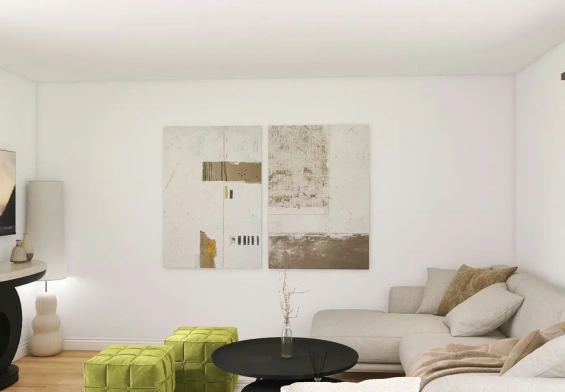
A pair of large square ottomans in the center of a room can replace a traditional sofa-and-coffee-table arrangement entirely. They seat more people, they’re repositionable in minutes, and they create a more democratic seating dynamic no one is at the “head” of anything, everyone is equidistant from the conversation. Some hosts use them as the room’s primary seating during parties and push them to the walls when they need floor space for other things.
Round ottomans work differently. A single large round ottoman placed in the center of a seating arrangement invites people to perch facing outward, which sounds counterintuitive for conversation but actually works well when the room has multiple conversation clusters happening simultaneously. People can pivot, lean, half-turn. It’s informal in a way that feels intentional rather than improvised.
Benches: The Underestimated Middle Ground
Walk through any well-designed home and you’ll often find benches doing quiet, important work. At the foot of a bed. Along an entryway wall. Tucked under a console table. Hosts who discover the bench tend to become slightly evangelical about it, and for good reason.
A bench seats people without the commitment of a sofa. It can be pulled to any table, slid against any wall, or placed in front of a fireplace for the kind of informal perching that guests do naturally when a party is going well and no one wants to fully sit down. A solid wooden bench with a cushion is also easier to move than almost anything else in a room one person can reposition it without disrupting the entire space.
The dining bench deserves particular mention. Replacing one side of a dining table with a bench instead of individual chairs immediately increases seating capacity, often by two or three people, without changing the table itself. It also creates a slightly different social texture at the table people on a bench are physically closer, which tends to make conversation easier and the atmosphere warmer.
Floor Seating Done With Intention
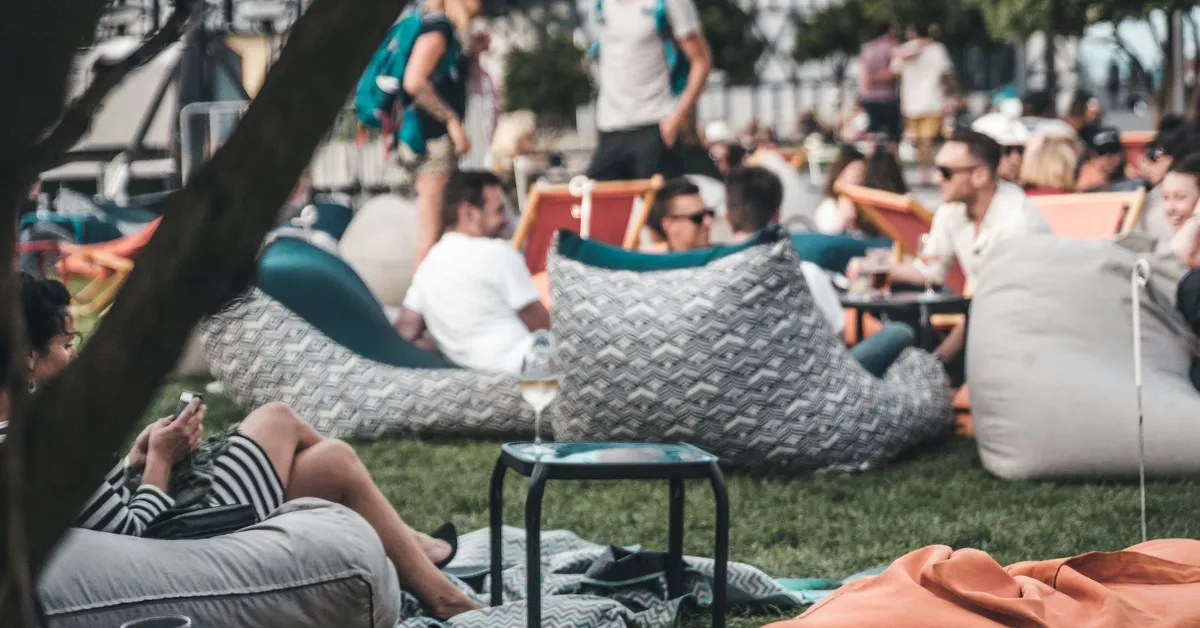
Floor seating has a reputation problem. Mention it as a hosting strategy and people imagine dorm rooms, camping trips, or the kind of party where the host ran out of chairs and is making the best of it. Done carelessly, that’s exactly what it looks like. Done with intention, it’s something else entirely.
Japanese-influenced floor seating low tables, floor cushions, perhaps a zabuton or two creates an atmosphere that feels considered and culturally specific rather than improvised. It works particularly well for intimate dinners, for gatherings centered around food that’s meant to be shared from communal dishes, or for any event where you want people to feel like they’ve entered a different kind of space.
The key is commitment. A single floor cushion thrown in front of a sofa looks like an afterthought. A full arrangement of floor cushions, a low table, and adequate lighting creates an environment. The distinction is entirely in whether the host treated it as a design choice or a fallback.
Large Moroccan floor poufs have become popular partly because they bridge this gap elegantly they’re low enough to feel casual and floor-adjacent, but they’re upright enough that adults don’t feel like they’re sitting on the ground. They stack, they move easily, they come in colors that can anchor or complement a room’s palette. For hosts who need flexible overflow seating that disappears into the decor when not in use, they’re genuinely useful.
The Forgotten Power of the Chair Pair
Two chairs facing each other, or angled toward a shared small table, create something a sofa never can: an invitation to a specific conversation. There’s an intimacy to a pair of chairs that’s different from the sprawl of a sofa. People who sit in them tend to lean in, to talk more quietly, to stay longer in that particular spot.
For hosts who entertain in ways that mix different social worlds work friends alongside old friends, family alongside neighbors having a few chair pairs distributed around a room gives guests natural places to land and connect without the pressure of navigating a single large seating arrangement. It distributes the social energy of the room rather than concentrating it.
The chairs themselves don’t need to match, though they should feel like they belong to the same aesthetic conversation. A linen armchair next to a vintage rattan chair works if the proportions are similar and the tones are complementary. Mismatched chairs that feel curated are one of the small signatures of a host who thinks about their space carefully.
Thinking in Layers
The most flexible hosting environments aren’t the ones with the most furniture they’re the ones with the most layers. A primary seating arrangement of sofas or chairs. A secondary layer of ottomans and benches that can be repositioned. A tertiary layer of floor cushions or poufs that appear when the guest count climbs. Each layer adds capacity without cluttering the room in its everyday configuration.
This kind of layered thinking also changes how you shop. Instead of searching for a sofa large enough to seat eight, you start looking for a sofa that seats four well, paired with pieces that can extend that capacity when needed. The room becomes an instrument rather than a fixed stage.
Guests rarely remember the furniture. What they remember is whether they were comfortable, whether the room felt alive, whether there was always somewhere to land. The sofa is just one answer to that problem and for hosts who take their gatherings seriously, it’s rarely the most interesting one.