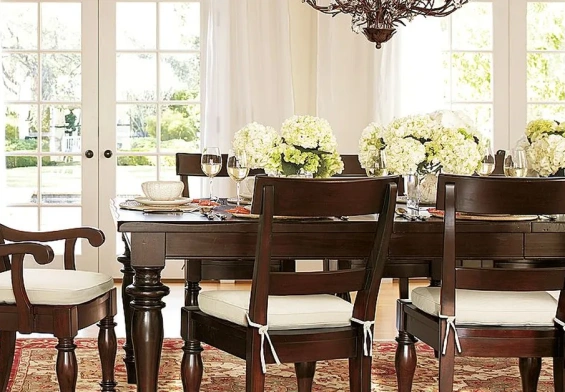


There’s a specific kind of disappointment that nobody talks about. You’ve spent two hours in the kitchen. The roast is perfect, the sauce reduced exactly right, the bread came out golden. You carry everything to the table and the dining room smells like last Tuesday’s fish, a faint trace of candle wax, and whatever the dog dragged in sometime around noon. The food is extraordinary. The room is not.
Smell is the most honest sense we have. It bypasses conscious thought entirely and lands somewhere older, somewhere that decides how we feel about a place before we’ve had a single bite. Restaurants understand this. The good ones, anyway. Walk into a great Italian trattoria and you’re already hungry before you’ve seen the menu. That’s not an accident. It’s architecture olfactory architecture and your dining room deserves the same consideration.
Start With What You’re Fighting Against
The first problem is almost always invisible. Lingering odors don’t announce themselves; they accumulate. Cooking smells from previous meals settle into upholstered chairs, curtains, rugs, and the soft wood of older furniture. A dining room that gets used daily without proper ventilation becomes a kind of smell museum every meal quietly archived in the fabric.
Before you add anything pleasant, you have to remove what’s already there. Open the windows, even in winter, even briefly. Run your exhaust fan not just while cooking but for a full fifteen to twenty minutes after the meal ends. Pull the curtains down periodically and wash them most people do this once a year at best, which means they’re sitting in a room draped in twelve months of accumulated dinner parties.
Hard surfaces are easier. Wood, tile, painted walls these can be wiped down. But soft furnishings absorb and hold. If your dining chairs are upholstered, consider a light mist of a fabric refresher between deeper cleans, not the aggressively perfumed kind, but something neutral and enzymatic that actually breaks down odor molecules rather than just masking them. There’s a meaningful difference between a room that smells clean and a room that smells like a chemical approximation of clean.
The Baseline Scent: What the Room Should Smell Like at Rest
Every room has a resting scent what it smells like when nothing is happening. In a dining room, that baseline matters enormously because it sets the stage for everything that comes after. A room that smells faintly of wood, citrus, or beeswax creates a kind of olfactory anticipation. A room that smells of nothing in particular, or worse, of staleness, does the opposite.
Wood is your ally here. If you have a wooden dining table, treating it occasionally with a natural oil linseed, tung, or a good furniture wax releases a quiet, warm scent that reads as both clean and inviting. It’s subtle enough that nobody will notice it consciously, but they’ll feel it. That’s exactly the effect you want.
Citrus is another reliable baseline note. A bowl of fresh oranges or lemons on the table isn’t just a styling choice it’s a slow, passive diffuser. As the skin dries slightly at room temperature, it releases volatile compounds that are bright and clean without being aggressive. Replace the fruit before it turns, obviously, but a bowl of citrus has a working life of about a week before it starts giving back more than it gives.
Some people swear by simmering potpourri a small pot on the stove with orange peel, cinnamon, cloves, and a bay leaf. This works, but it requires attention and a stove running, which isn’t always practical. A more low-maintenance version is a small sachet of dried herbs tucked into a sideboard drawer or placed discreetly near a heat source. The warmth activates the oils slowly, and the effect drifts rather than announces itself.
Timing Is Everything
Here’s something that most home fragrance advice gets wrong: it treats scent as static, as something you set and forget. But in a dining room, scent needs to move through time the way a meal does.
Before guests arrive, the room should smell clean and subtly inviting something warm and neutral, not floral, not sweet, not spiced so heavily it competes with the food. A candle lit forty minutes before dinner, then extinguished before serving, can prime the room beautifully. The residual warmth from the wick continues to release a gentle trace of scent without the candle actively burning. Burning a candle during the meal itself is usually a mistake the fragrance competes with the food, and a heavily scented candle can actually suppress your ability to taste properly, because smell and taste are so deeply intertwined.
During the meal, the food should be the only thing you smell. This is the goal. If you’ve done the baseline work correctly clean room, neutral resting scent, no competing fragrances the aroma of the meal itself will fill the space naturally and completely. The roast, the herbs, the wine breathing in the glass. That’s the experience. Everything else should step aside.
After the meal, this is when you can reintroduce fragrance more actively. A candle relit, a diffuser turned on, a window cracked to let the meal smell drift out and something fresher drift in. This is also the moment when a small gesture a sprig of fresh rosemary laid across a warm plate, a few drops of essential oil on a nearby cloth can shift the mood from dinner to the slower pleasure of sitting and talking.
Candles, Diffusers, and the Art of Restraint
The fragrance industry has convinced a lot of people that more is better. It isn’t. A dining room that hits you with a wall of scent the moment you enter is exhausting, and it signals effort in the worst way the same way over-decorated rooms signal insecurity. The goal is effortlessness, or at least the convincing appearance of it.
Reed diffusers are useful for baseline maintenance but tend toward consistency in a way that can become invisible. Your nose adapts to continuous scent quickly, which means you stop smelling it and then you add more reeds, and the room becomes overwhelming to anyone who hasn’t been sitting in it for an hour. Use fewer reeds than the manufacturer suggests. Flip them less frequently. Let the scent be a whisper.
Candles give you more control because they’re intermittent. A single, well-made candle in a scent that complements food something in the family of warm woods, light smoke, herbs, or citrus will do more for a dining room than three cheaper candles burning simultaneously. Invest in quality here. The difference between a candle made with natural wax and fragrance oils and one made with synthetic compounds is real and perceptible, especially in an enclosed space where you’re also eating.
Unscented candles deserve more credit than they get. The soft, warm smell of burning beeswax is itself a scent ancient, honey-adjacent, almost sacred in the way it reads to the human brain. If you’re worried about fragrance competing with food, unscented beeswax candles give you light, warmth, and a scent that is somehow both present and completely unobtrusive.
What the Food Itself Can Do
The smartest move in all of this is also the simplest: cook things that smell extraordinary in the oven or on the stove, and let that aroma do the heavy lifting.
Bread baking is the obvious example the smell of yeast and heat and browning crust is one of the most universally appealing scents humans have ever identified. But you don’t need to bake a loaf from scratch. Warming store-bought bread in the oven for ten minutes before dinner releases nearly the same effect. A pan of roasted garlic, a pot of something braised low and slow with herbs, a tray of root vegetables caramelizing these are all acts of cooking that happen to be acts of scent design.
Finishing touches matter too. A knob of butter melted over vegetables just before serving. Fresh herbs torn rather than cut, releasing their oils in a burst. A splash of wine in a hot pan. These are culinary choices, but they’re also olfactory ones, and they happen at the table or just before it, which means their scent arrives exactly when you want it to as people sit down, as anticipation peaks.
The dining room that smells as good as the food isn’t a room that’s been sprayed or diffused or candled into submission. It’s a room that’s been cleared of everything that shouldn’t be there, given a quiet, honest baseline, and then allowed to receive the meal as the main event. The food does the rest. It always did. You just have to stop getting in the way.