
There’s a particular kind of disappointment that comes from buying a rug you loved in the store, bringing it home, unrolling it across your floor and watching the room somehow look worse. The colors feel off. The proportions seem wrong. The whole thing floats there like a postage stamp on a basketball court. You haven’t made a bad taste decision. You’ve made a sizing decision, or a placement decision, or a proportion decision. And those are fixable, once you understand what a rug is actually supposed to do.
A rug isn’t decoration in the way a throw pillow is decoration. It’s architecture. It defines zones, absorbs sound, softens light, and tells every piece of furniture in the room where it belongs. When a rug works, you don’t notice it you just feel that the room makes sense. When it doesn’t work, you feel a vague unease you can’t quite name. That unease has a source, and it almost always comes down to a handful of decisions made before the rug ever left the store.
Start With the Room, Not the Rug
Most people approach rug shopping the wrong way. They walk into a store, fall in love with a pattern, and then try to make it work at home. The smarter move is to walk in knowing exactly what you need and that means spending time with your room first.
Measure the space. Not just the room dimensions, but the furniture arrangement. Where does your sofa sit? How far does the coffee table extend? Is there a natural conversation area you want to define, or a dining table you want to ground? These measurements are your constraints, and constraints are actually useful. They narrow the field from overwhelming to manageable.
Think about what the rug needs to do. In a living room, it usually needs to pull the seating together into a cohesive grouping. In a dining room, it needs to accommodate chairs even when they’re pulled out. In a bedroom, it needs to feel warm underfoot when you step out of bed in the morning. Each function implies a different size, shape, and even material. A rug that’s perfect for one room would be completely wrong for another.
The Size Question Is Almost Always About Going Bigger
If there’s one piece of advice that interior designers repeat until they’re exhausted, it’s this: most people buy rugs that are too small. A rug that’s too small makes furniture look like it’s floating, makes the room feel chopy, and ironically makes the space feel smaller, not larger.
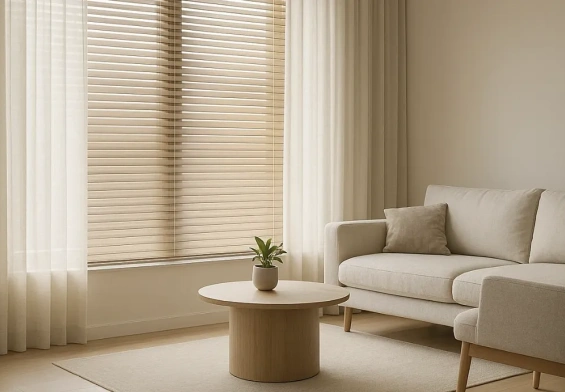
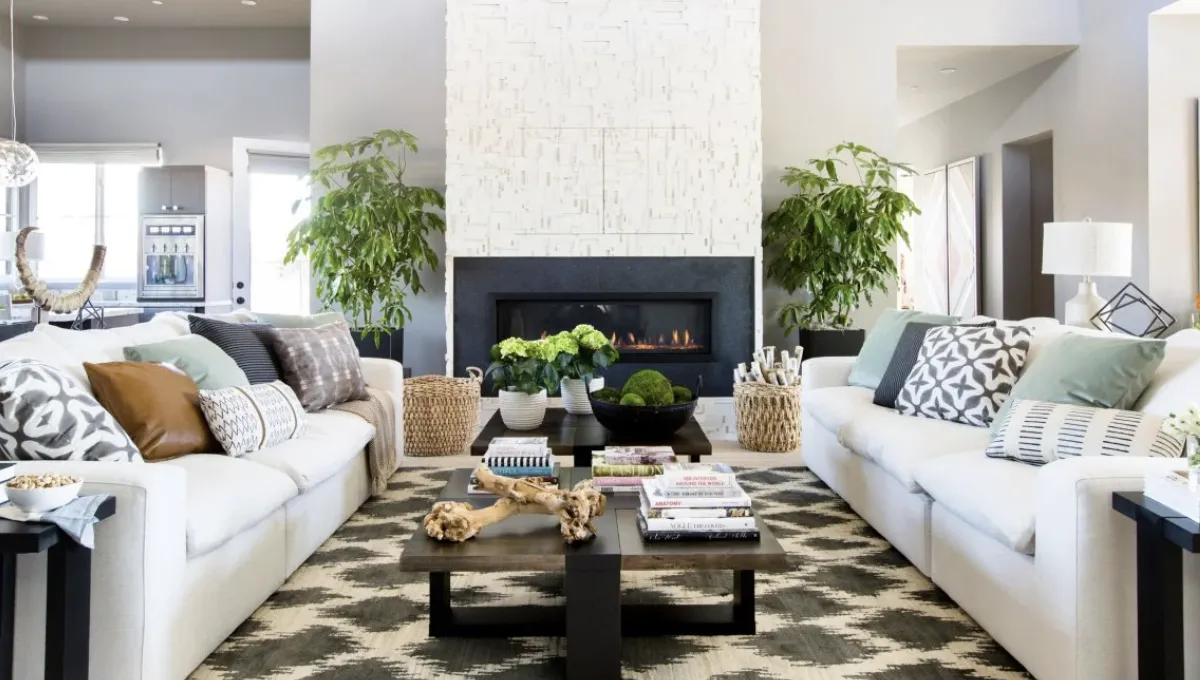
The general rule for living rooms is that all the front legs of your major seating pieces should sit on the rug. All four legs on is even better if the rug is large enough. What you want to avoid is the “island” effect, where the rug sits in the middle of the room with furniture arranged around it but not connected to it. That arrangement turns the rug into a centerpiece rather than a foundation, and the room loses its sense of cohesion.
For dining rooms, the math is straightforward: measure your table, then add at least 24 inches on each side. That gives chairs room to slide back without catching on the rug’s edge. A lot of people underestimate this and end up with a rug that works fine when everyone’s seated but becomes a tripping hazard the moment someone stands up.
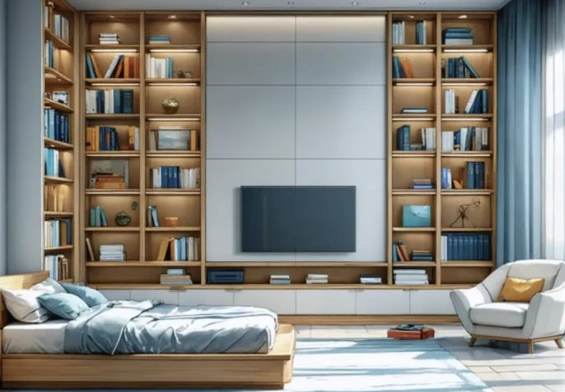
In bedrooms, the most satisfying placement is usually a large rug that extends at least 18 to 24 inches beyond the sides and foot of the bed. You want to feel it when you wake up. A small rug tucked under just the lower third of the bed can work in tight spaces, but it rarely feels as grounded.
Shape Follows Function and Sometimes Breaks It Intentionally
Rectangular rugs are the default for good reason. They mirror the geometry of most rooms and most furniture arrangements. But defaulting to a rectangle without considering alternatives means missing some genuinely interesting possibilities.
Round rugs work beautifully under round dining tables, in entryways, and in any corner where you want to soften the hard angles of a room. They also work surprisingly well in living rooms when the furniture arrangement is more circular or when you want to create a sense of intimacy within a larger space. The key is that the