
There’s a particular kind of magic that happens in a Parisian bistro at around eleven in the morning, just after the breakfast rush and before the lunch crowd arrives. The zinc bar catches the light. Someone is reading a newspaper with genuine focus. A small carafe of water sits on a marble table next to a half-eaten croissant, and nobody is rushing anyone anywhere. That feeling unhurried, sensory, quietly civilized is not a product of square footage. It never was. The bistros that defined Parisian café culture for over a century were famously cramped, their tables practically touching, their kitchens the size of a generous closet. What they had was intention. And intention, it turns out, is entirely portable.
Your kitchen nook that awkward little alcove, that underused corner with the window that gets good light but somehow never gets used is closer to a Parisian bistro than you probably think. The gap between the two is mostly aesthetic, atmospheric, and philosophical. All three are fixable.
Start With the Table, Because the Table Is Everything
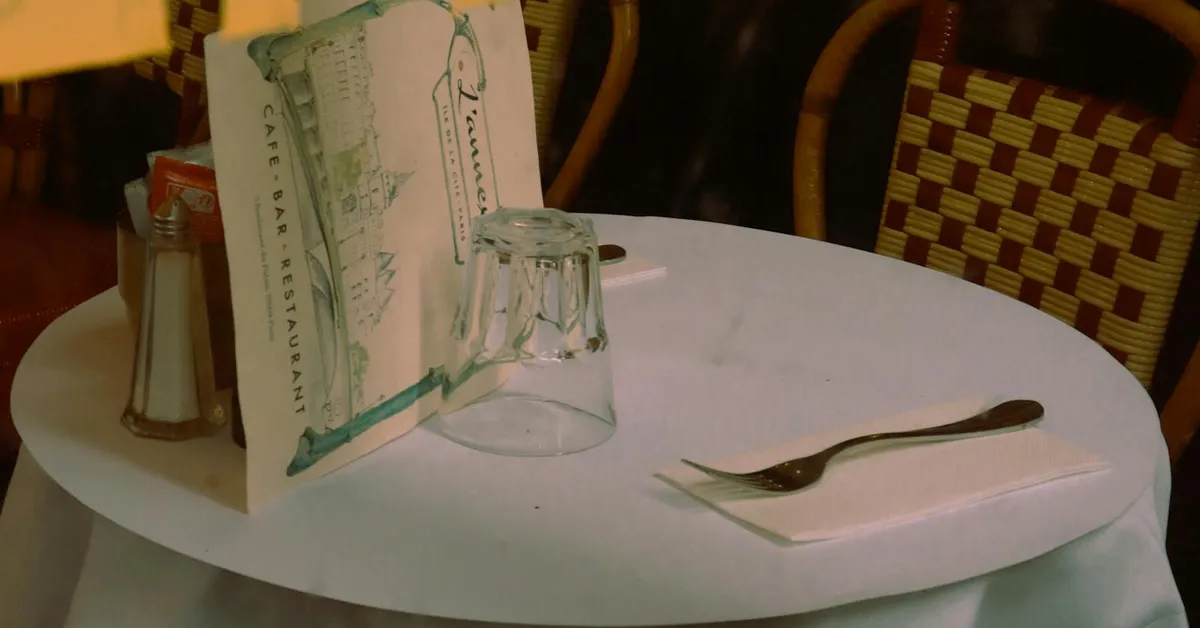
In a bistro, the table is not furniture. It’s a stage. It’s where the entire ritual of eating, drinking, reading, and existing unfolds. The classic bistro table is small almost aggressively so round, and typically topped with marble or a convincing substitute. The smallness is not a compromise; it’s a design choice that forces intimacy and signals that the space is for people, not for spreading out paperwork or charging devices.
If your nook currently houses a rectangular table that seats six, you’ve already identified the problem. Swap it for a round pedestal table, ideally no larger than 28 to 32 inches in diameter. This single change will do more for the atmosphere than almost anything else you can do. Round tables soften a corner. They encourage conversation. They look, at almost any angle, like they belong in a room that takes pleasure seriously.
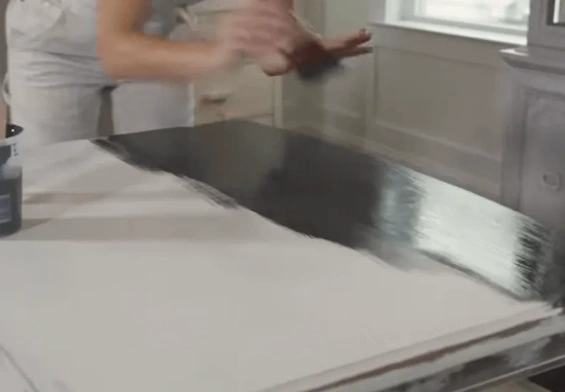
For the surface, marble is the dream cold to the touch, visually generous, instantly evocative. But genuine marble is heavy and expensive and requires sealing. Sintered stone and high-quality laminate versions have become genuinely convincing in recent years. Alternatively, a painted bistro table in deep forest green or matte black, with simple metal legs, captures the spirit just as effectively. The French were never precious about materials. They were precise about proportion and patina.
Chairs matter almost as much. The Tolix A-Chair, designed in 1934, became a bistro icon not because it was comfortable it is aggressively not comfortable for extended sitting but because it stacks, it lasts, and it has exactly the right industrial-romantic silhouette. Rattan bistro chairs are the softer alternative, more forgiving, and they carry their own Parisian pedigree from the terrace cafés of Saint-Germain-des-Prés. Either works. What doesn’t work is anything upholstered in beige microfiber. That is a different room entirely.
Lighting Is the Difference Between a Kitchen Corner and a Destination
Most kitchen nooks are lit by whatever overhead fixture came with the house, which is usually a recessed can light or a flush-mount that illuminates the space with the warmth and romance of a parking garage. This is the single fastest thing to fix and the one most people overlook.
Bistro light is warm, directional, and slightly dim by modern standards. It comes from sources positioned at or below eye level wall sconces, pendant lights hung low over the table, a small lamp on a nearby shelf. The goal is to make the light feel like it’s gathering around the table rather than flooding the room from above. If you can install a small pendant or a plug-in sconce on the wall nearest the nook, do it immediately. The transformation is almost embarrassingly dramatic.
Candles are not optional. Not for dinner parties for Tuesday. A simple taper candle in a glass holder, lit at dinner even when you’re eating alone, is the most direct route to the bistro mentality available to you. It reframes the meal. It tells your nervous system that what’s happening right now is worth slowing down for.
If your nook has a window, consider what’s happening outside it. Parisian bistros often placed their best tables near windows not because of the view the view was frequently a busy street but because of the quality of ambient light and the sense of being both inside and connected to the world outside. A window with a simple café curtain, hung at the midpoint of the glass to let in light while maintaining a degree of privacy, is a quietly powerful detail. White cotton or linen, slightly imperfect, slightly sheer. Not blackout. Never blackout.
The Wall Behind You Deserves Serious Thought
Bistros have walls that have been living. They accumulate. A framed menu from 1987. A mirror with a slightly foxed edge. A small chalkboard with the plat du jour written in imperfect cursive. A vintage poster that has been there long enough that nobody remembers who hung it. The effect is not designed or rather, it is designed to appear undesigned, which is a much harder thing to pull off intentionally.
For your nook wall, resist the urge to create a gallery wall with matching frames in three sizes. That reads as curated in the wrong direction. Instead, choose one or two things with actual weight. A large, slightly aged mirror does extraordinary work it expands the space, bounces the candlelight, and adds that specific quality of depth that makes a small room feel considered rather than cramped. Pair it with a single framed piece: a vintage French advertisement, a botanical print, a simple typographic poster in French that you may or may not be able to read. The point is not linguistic. The point is visual texture.
A small chalkboard is both functional and atmospheric. Write the day’s menu on it even if the menu is pasta and a salad. Especially if the menu is pasta and a salad. The act of naming what you’re eating, of giving it a moment of intention, is more bistro than any piece of furniture you could buy.
What You Put on the Table Completes the Illusion
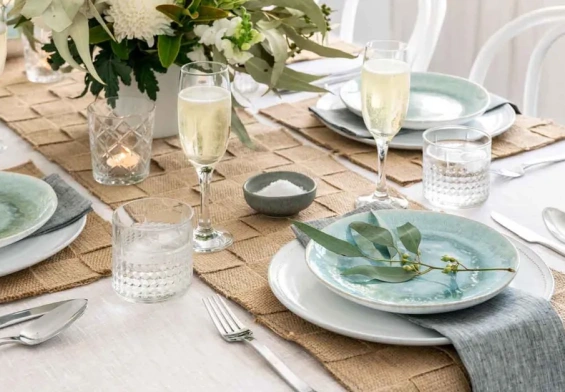
The table setting in a Parisian bistro follows a logic of elegant sufficiency. A small bud vase with a single stem not a bouquet, a stem. A paper napkin or a simple linen one, never folded into a swan. A carafe of water rather than a plastic bottle. A bread basket, even if the bread came from a grocery store. These are not expensive things. They are thoughtful things, and the difference matters.
Invest in a set of simple bistro glasses the kind with a slight taper and no decoration, the kind that feel good in the hand and look right filled with red wine or sparkling water or both. French press coffee in a small ceramic cup rather than a travel mug. A sugar bowl instead of packets. None of this costs much. All of it costs attention.
There’s a French phrase, mise en place, that professional kitchens use to describe the practice of having everything in its place before service begins. The bistro table operates on a similar principle not in a fussy way, but in a way that says someone thought about this before sitting down. That preparation, that small act of setting a scene for yourself, is what separates eating from dining. It’s what separates a corner of your kitchen from a place you actually want to be.
The nook was always there. You were just waiting for permission to take it seriously.