
There’s a particular kind of dinner party that’s been quietly gaining ground in certain circles no charcuterie towers, no smash burgers, no elaborate TikTok-viral centerpieces. Just a beautifully set table, a single roasted chicken, and a bottle of wine that costs more than it looks. If you’ve been paying attention, you already know what this is. If you haven’t, you’re about to.
Quiet luxury the aesthetic philosophy that prioritizes understated refinement over conspicuous display has spent the last few years reshaping fashion, interior design, and travel. The logoless cashmere sweater. The muted palette. The hotel room that whispers rather than shouts. But somewhere between the runway and the living room, the sensibility slipped into the kitchen, and it’s been rearranging things ever since.
From Wardrobes to Dinner Tables: A Natural Migration
It was probably inevitable. Aesthetics don’t stay contained. The same person who stopped buying logo-heavy handbags and started investing in well-cut linen trousers was always going to eventually look at their dinner table and feel the same dissatisfaction. The maximalist spread the Instagram-worthy grazing board, the color-coordinated dessert station, the seven-course tasting menu assembled from seventeen different delivery apps started to feel exhausting. Not just visually, but philosophically.
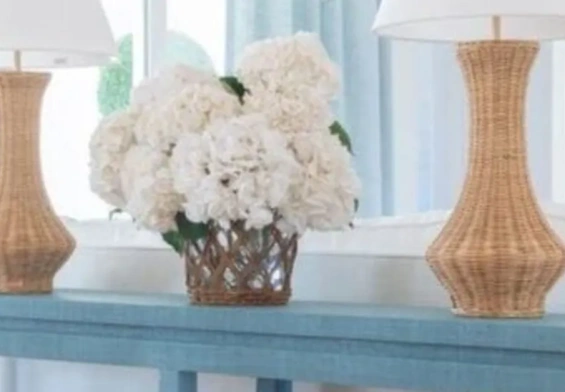
What quiet luxury offers, at the table as much as in the wardrobe, is a kind of intentional restraint. It’s the choice to do fewer things, but to do them with genuine care and real quality. A single soup, made from scratch, served in a beautiful bowl. Bread that someone actually baked. Flowers from the garden, not a florist, arranged without trying too hard.
The shift is subtle enough that many people are living it without having a name for it. They’ve simply grown tired of performance.
The Tyranny of the Spread
To understand why this shift is happening, it helps to trace how we got to peak food maximalism in the first place. Social media particularly Instagram and then TikTok turned home entertaining into a form of content creation. The dinner party became a production. Hosts weren’t just feeding guests; they were curating an experience designed to be photographed, posted, and validated by an audience that wasn’t even in the room.
Grazing boards became an almost comical expression of this. What began as a charming, casual alternative to plated meals evolved into competitive architecture. Boards that required hours of assembly, hundreds of dollars of ingredients, and a specific camera angle to fully appreciate. The food was often secondary to the visual.
There’s nothing inherently wrong with beautiful food presentation. But something gets lost when the primary audience is a phone screen. The actual dinner guests the people sitting across from you, the conversation, the warmth of the room become supporting characters in someone else’s content.
Quiet luxury at the table is, in part, a rejection of that dynamic. It’s a return to the idea that the meal is for the people eating it.
What It Actually Looks Like
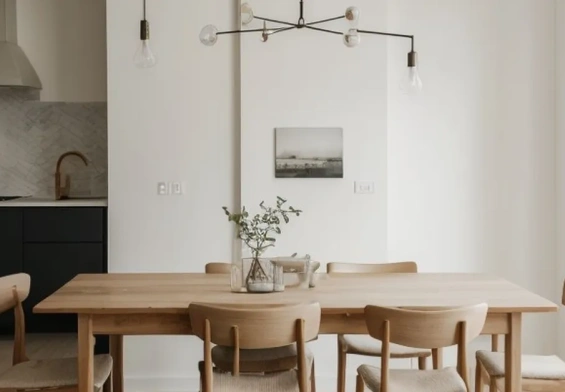
Here’s where it gets interesting, because quiet luxury dining isn’t asceticism. It’s not about eating less or spending less in fact, it often involves spending more, just differently. The logic mirrors its fashion counterpart almost exactly: fewer pieces, higher quality, longer lasting.
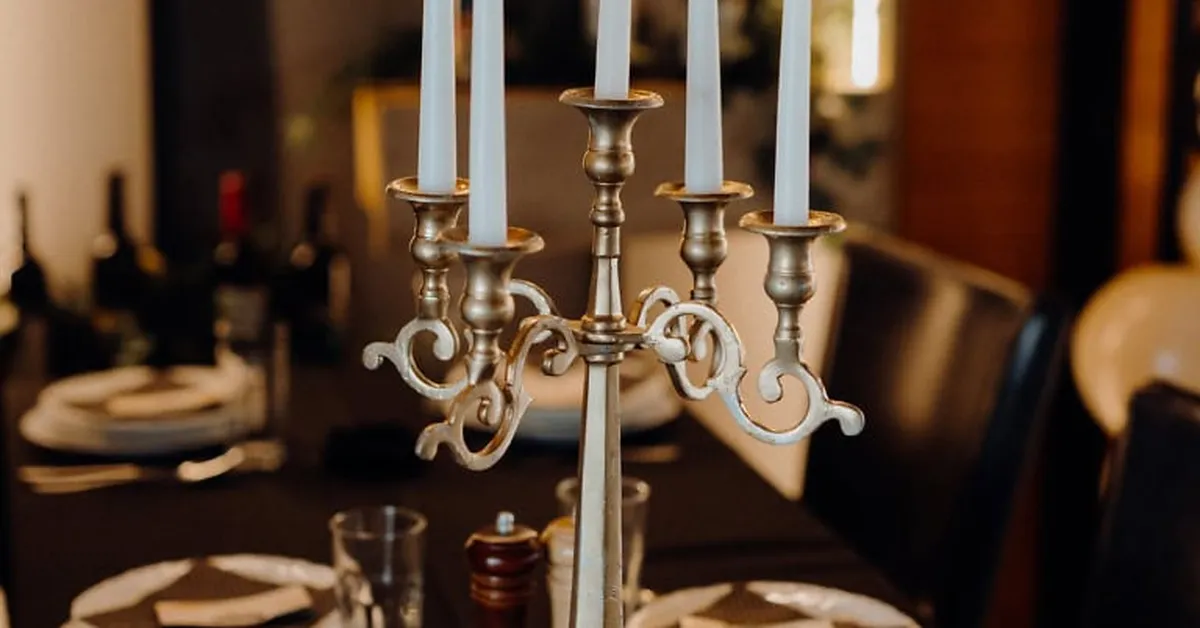
In practice, this might mean a dinner party built around one exceptional main a slow-braised short rib, a whole roasted fish, a leg of lamb that’s been marinating since morning rather than a sprawling array of options. It means a tablecloth that’s been ironed. Candles that are actually lit. Glassware that feels good in the hand, even if it doesn’t match perfectly.
The wine selection follows the same principle. Instead of buying six bottles of middling wine to cover all bases, the quiet luxury host buys two bottles of something genuinely good and lets them carry the evening. Quality over quantity, in the most literal sense.
Even the conversation changes. Without the pressure of photographing every dish or keeping up a running commentary for social media, people actually talk. The meal becomes the occasion, not the backdrop.
The Economics of Restraint
There’s a class dimension here that deserves honest examination. Quiet luxury, in its fashion iteration, has been widely and fairly criticized for being a wealthy person’s aesthetic dressed up as philosophy. The logoless cashmere sweater still costs $800. The “simple” linen is still Loro Piana. Restraint, when it’s performed with genuinely expensive materials, is its own form of status signaling perhaps even more exclusive, because the codes are harder to read.
The same tension exists at the table. The single roasted chicken that serves as the quiet luxury dinner party centerpiece is a very different proposition depending on whether it’s a $9 bird from the discount grocery or a $40 heritage breed from a local farm. The “simple” soup made from scratch requires time a resource distributed as unequally as money, if not more so.
And yet, the underlying principle intentionality, presence, genuine quality over performed abundance doesn’t have to be expensive to be real. Some of the most quietly luxurious meals have nothing to do with price. A pot of well-seasoned beans. Good olive oil. Bread from a neighborhood bakery. The luxury isn’t always in the ingredient cost; sometimes it’s in the decision to slow down and pay attention.
Why Now
The timing of this shift makes sense when you zoom out. We’re collectively emerging from a period of profound disruption pandemic years that forced many people to reassess what actually mattered, followed by an economic climate that made conspicuous consumption feel both less accessible and less appealing. The cultural appetite for authenticity, for things that are genuinely good rather than merely impressive, has been building for a while.
There’s also a generational component. Younger millennials and older Gen Z consumers the cohorts most fluent in social media performance are increasingly the ones opting out of it. Having grown up with the internet, they’re perhaps more attuned to the hollowness of optimized content, more hungry for experiences that don’t require documentation to feel real.
The dinner table, in this context, becomes almost a countercultural space. Putting your phone face-down during a meal is a small act, but it carries a kind of weight right now.
The Quiet Table as a Statement
There’s a version of this trend that will, inevitably, become its own form of performance. The carefully curated “simple” dinner, the artfully imperfect table setting, the conspicuously analog evening all of it can be photographed and posted just as easily as the grazing board. Restraint, like any aesthetic, can be faked.
But at its best, quiet luxury at the dinner table points toward something that predates social media entirely. The idea that a meal shared with people you care about, made with attention and real ingredients, is already enough. That you don’t need to justify the gathering with spectacle. That the conversation across a candlelit table, the second glass of wine, the unhurried hour after the plates are cleared these are the things that actually stay with you.
The food world has a long history of cycling through excess and return. We gorge, and then we remember what we actually like. What’s interesting about this particular return is that it isn’t framed as deprivation. Nobody’s calling it minimalism. They’re calling it luxury which suggests that somewhere along the way, we started to confuse abundance with richness, and are only now beginning to tell them apart.